Buying the Right Mobility Bed
Why Adaptable Beds Are a Sleep Transformer for Your Sleep Health
Adjustable beds have surfaced as a substantial breakthrough in sleep quality improvement. Their capacity to adjust sleeping positions tackles diverse challenges, from chronic pain to sleep apnea. These beds facilitate superior vertebral positioning and comprehensive comfort, producing improved sleep quality. As individuals look for solutions for frequent sleep problems, understanding how adjustable beds can meet specific medical requirements becomes important. The impact on wellness may be far more deep than one might foresee.
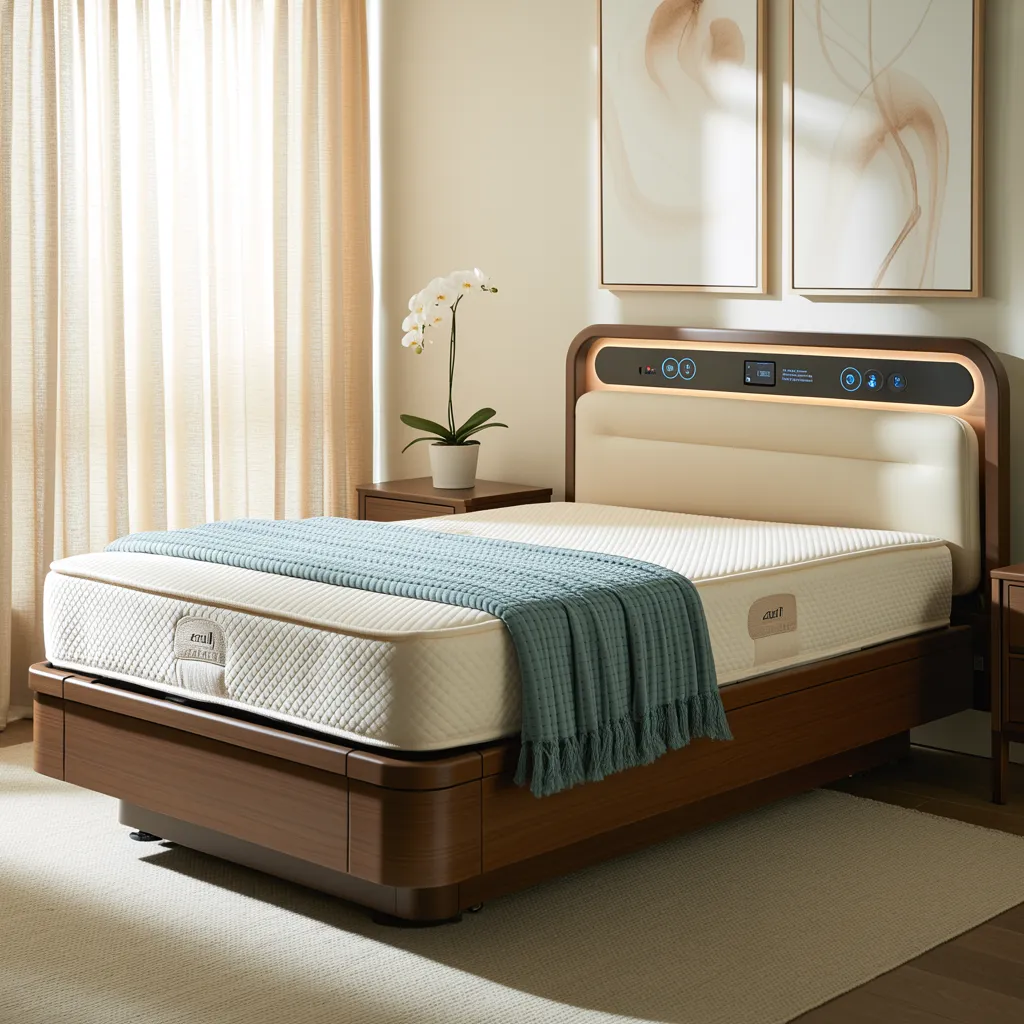
Why Customizable Beds Are Important for Enhanced Sleep
Although many people fail to recognize the significance of sleep position on overall health, adjustable beds offer a practical solution for enhancing sleep quality. These state-of-the-art beds allow users to personalize their sleeping position, advancing ideal spinal alignment and cutting pressure on sensitive areas. By propping up the head or legs, adjustable beds can enable better circulation and decrease discomfort, particularly for those with chronic pain or mobility issues.
Moreover, the power to alter positions can result in better respiratory function, as raised head positions reduce the chance of snoring and sleep apnea episodes. Research reveals that a well-adjusted sleep position can also contribute to more profound, more restorative sleep cycles. Ultimately, adjustable beds accommodate individual choices and demands, making them essential for anyone aiming to enhance their sleep experience and overall well-being. Such personalized support is a major factor in achieving a better quality of sleep.
Easing Common Sleep Issues With Adjustable Beds
How can adjustable beds effectively address common sleep issues? These beds deliver tailored assistance that can substantially alleviate assorted sleep-related issues. For people who have acid reflux, lifting the head can reduce discomfort and support better digestion. Similarly, those with sleep apnea may experience relief by adjusting their position to improve airflow, lessening snoring and improving overall breathing during sleep.
Back pain is another prevalent issue that adjustable beds can help reduce. By enabling users to raise their legs or adjust lumbar support, these beds can relieve pressure on the spinal column, promoting a more comfortable sleeping position. Additionally, symptoms of restless leg syndrome may decrease as individuals can find positions that minimize pain. Overall, beds with adjustable capabilities provide flexible options for common sleep issues, allowing people to achieve rejuvenating sleep and enhance their overall sleep health.
The Way Customizable Positions Increase Sleep Performance
Customizable angles in adjustable beds can significantly enhance sleep quality by addressing various health needs. Raising the bed can promote better respiratory function, while particular inclines help reduce pressure points and enhance circulation. These modifications cater to individual tastes, encouraging a more restorative sleep experience.
Elevated Height Supports Better Breathing
Elevating the upper body and torso while sleeping can greatly enhance respiration and overall sleep quality. This adjustment creates an open airway, reducing snoring and minimizing the risk of sleep apnea episodes. Elevated positions help promote natural spinal alignment, relieving lung pressure and facilitating deep, comfortable breathing throughout the night. Furthermore, this elevation enhances circulation, resulting in better sleep quality. Numerous users state they experience fewer awakenings at night and feel more alert upon waking. Adjustable beds with customizable positions provide a tailored sleep experience designed to meet individual respiratory needs, markedly enhancing sleep quality and overall well-being.
Decreasing Pressure Points
For a restful night’s sleep, comfort is key, and adjustable beds provide a distinctive solution by relieving pressure points throughout the body. Traditional flat mattresses tend to apply uneven pressure on various areas, resulting in discomfort and disturbances in sleep. In contrast, adjustable beds can be customized to meet individual preferences, allowing users to lift or drop their heads and feet. This adjustment helps balance body weight more evenly, lessening strain on sensitive areas like shoulders, hips, and the lower back. By allowing a more ergonomic position, adjustable beds can boost overall sleep quality, enabling individuals to wake up feeling more rejuvenated and less sore. Ultimately, the ability to change positions greatly contributes to the comfort and healing benefits of sleep.
Better Blood Flow Gains
Adjustable beds not only improve relaxation by alleviating pressure points, but they also promote enhanced circulation, which is crucial in sleep quality. By enabling people to adjust their sleeping positions, adjustable beds can raise the upper body and lower limbs, reducing pressure on blood vessels. This lifting enables improved circulation, which is vital for supplying oxygen and nutrients to body tissues, ultimately aiding in muscle recovery and overall health. Improved circulation can also alleviate symptoms of conditions such as sleep apnea and restless leg syndrome, leading to a more peaceful sleep. Consequently, the capacity to modify posture can result in more profound, continuous rest, boosting both bodily restoration and psychological wellness.
Advancing Convenience for Chronic Pain Care
Adjustable beds provide substantial benefits for individuals managing chronic pain. By enabling for pressure relief adjustments, improved spinal alignment, and raising for enhanced circulation, these beds can create a more cozy sleeping environment. Such features play an essential role in alleviating pain and promoting restorative sleep.
Pressure Release Tweaks
Chronic pain can significantly disrupt sleep quality, making effective comfort modifications essential for restorative rest. Adjustable beds offer flexible configurations that alleviate pressure points, reducing discomfort for individuals dealing with conditions like arthritis or fibromyalgia. By elevating certain areas of the body, these beds help spread weight uniformly, which decreases strain on sensitive joints and muscles. This strategic positioning not only enhances overall comfort but can also lead to longer, more uninterrupted sleep periods. The ability to adjust bed angles allows users to find their ideal sleeping posture, converting their sleep environment into a haven of relief. Ultimately, these comfort modifications empower those with chronic pain to achieve improved sleep quality and enhanced daily functioning.
Advanced Spinal Configuration
Maintaining proper back alignment is important for comfort and easing chronic pain while sleeping. With adjustable beds, users can tailor their sleeping positions, helping the spine to maintain its natural curve. Elevating the head or legs using these beds helps in alleviating pressure on sensitive areas such as the neck and lower back. This tailored support can result in improved comfort, enabling deeper sleep cycles and lowering the likelihood of waking in pain. Also, individuals dealing with arthritis or sciatica may find that adjustable beds give essential alignment to alleviate discomfort. In the end, better spinal alignment via adjustable beds boosts sleep quality and promotes general well-being for people coping with chronic pain.
Elevation for Circulation
Elevation serves an important function in supporting circulation, particularly for individuals handling chronic pain. By elevating the upper body or legs, adjustable beds assist in improving enhanced blood flow, easing pressure on sensitive parts. This elevation can reduce swelling in the lower extremities, a typical concern for people with disorders like arthritis or peripheral neuropathy. Moreover, it aids to lessen discomfort and encourages relaxation, easing it easier for users to fall and stay asleep. The adjustable positioning permits users to find their preferred angle, boosting overall comfort and well-being. As a result, many notice that incorporating an adjustable bed into their routine not only improves sleep quality but also adds positively to their chronic pain management techniques.
Adjustable Bed Frames for Wellness and Therapeutic Care
Many might associate adjustable beds chiefly with comfort, yet their benefits stretch significantly into the areas of recovery and rehabilitation. These beds deliver adjustable positions that can greatly aid individuals healing after surgery or managing chronic conditions. Raising the upper body can ease pressure on the lungs and improve breathing, making it more comfortable for patients with respiratory issues. Similarly, elevating the legs can help reduce swelling and enhance circulation, which is crucial for those with mobility challenges or post-operative recovery.
Adjustable beds make it easier for transitioning in and out of bed, reducing the chance of falls. This adaptability can be particularly helpful for individuals with limited mobility or those undergoing physical therapy. Additionally, the ability to find a comfortable and supportive sleeping position can enhance overall sleep quality, which is essential for recovery. As a result, adjustable beds function as a useful tool in supporting recovery and boosting rehabilitation efforts.
Why Adjustable Beds Aid Diminish Snoring?
Snoring can compromise sleep quality and affect relationships, driving many to seek effective solutions. Adjustable beds supply a practical approach to curtailing snoring by permitting users to raise their head and upper body. This elevation serves to open the airways, reducing the likelihood of airway obstruction that often contributes to snoring.
By modifying the bed's position, individuals can discover the best angle that relieves pressure on the throat and encourages better airflow. Additionally, beds that adjust can adapt to various sleeping positions, satisfying personal comfort desires that further boost sleep quality.
For those who have snoring issues due to medical conditions like sleep apnea, the benefits can be even more marked. Lifting the head can help reduce manifestations, causing more profound, unbroken sleep. In this manner, beds with adjustment capabilities function as a valuable tool for improving sleep health and enhancing overall well-being by minimizing snoring.
Buying an Flexible Mattress? Key Considerations
When assessing the purchase of an adjustable bed, what considerations should be considered? First, potential buyers should evaluate the bed's compatibility with current mattresses, as not all mattresses work with adjustable bases. Additionally, amenities such as adjustable positions, massage functions, and remote control features should be assessed for personal comfort preferences.
Next, customers should assess the size of the bed, confirming it functions appropriately within the intended bedroom space. Warranty protections and durability factors are also essential, as these beds can be an investment.
Furthermore, consumers should examine company standing and customer reviews to determine overall happiness and trustworthiness. Finally, pricing plays a crucial review this content role; understanding the spending limit and potential payment alternatives can help make an educated choice. By considering these factors, individuals can choose an adjustable bed that boosts their rest quality and overall well-being.
Regularly Asked Questions
Will Flexible Beds Accommodate Any Mattress Style?
Adjustable beds usually accommodate several mattress types, including foam, latex, and hybrid mattresses. Nevertheless, it's vital to examine particular manufacturer instructions to ensure alignment and best performance for each unique mattress type.
Are Customizable Beds Loud When Moving Positions?
Adjustable beds may generate some sound when repositioning, mainly because of the motor and mechanical parts. However, the sound level varies by model, with many newer designs working toward quieter operation.
How Can I Effectively Clean and Care for an Adjustable Bed?
To clean and care for an adjustable bed, regularly dust the bed frame, clean surfaces with a wet cloth, and inspect mechanical components for wear and tear. Additionally, verify and adjust bolts to secure stability and working condition.
Adjustable Beds: Do They Protected by Warranties?
Adjustable beds typically feature warranties that differ by manufacturer, often covering parts and labor for a specified period. Customers should assess warranty details carefully to comprehend coverage and any possible limitations or exclusions.
Can I Use an Motorized Sleep Surface Absent a Bed Frame?
Yes, an movable bed can be employed without a bed frame. Many users prefer direct placement on the floor, ensuring stability and accessibility, although a bed frame may enhance aesthetics and deliver additional support.